Start where residues collect.
Work with processing sites in the Lampung corn belt. Shorter collection routes make feedstock planning more practical.
Biochar & carbon removal
We turn agricultural residues into biochar and build the evidence behind every production lot.
CompanyIndonesia, since 2023
FeedstockCorn-cob residues
Primary productIndustrial & agro biochar
Digital productClaude-assisted MRV
Corn processing leaves a concentrated stream of residues. ENVIID brings together biomass handling, pyrolysis and carbon reporting.
Work with processing sites in the Lampung corn belt. Shorter collection routes make feedstock planning more practical.
Convert dried cobs into biochar for agricultural and industrial applications, with quality checks for the intended use.
Connect production records, lab results and chain of custody. Carbon claims need an independent review.
Project photographs of feedstock handling, reactor operation and biochar output.
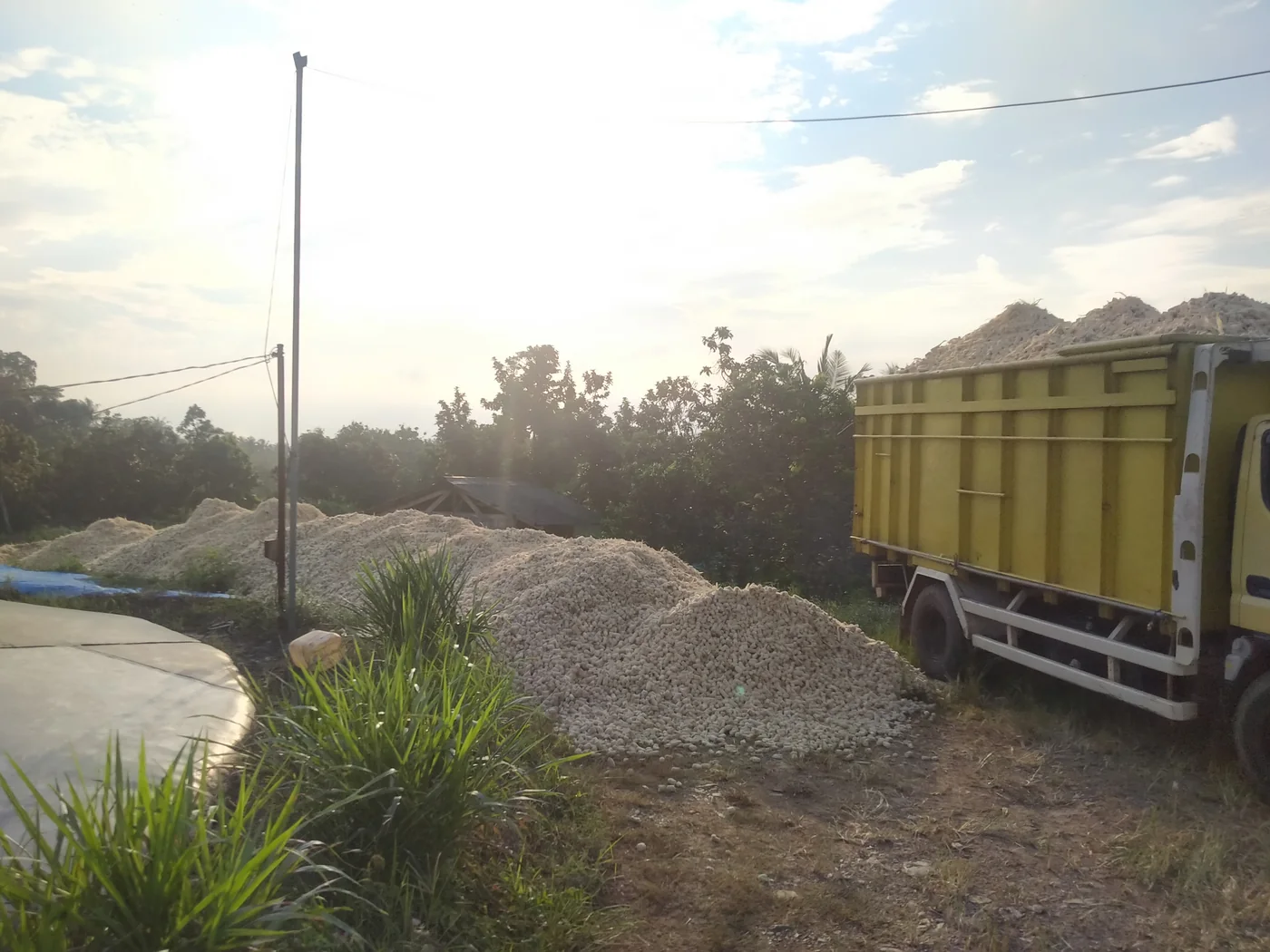
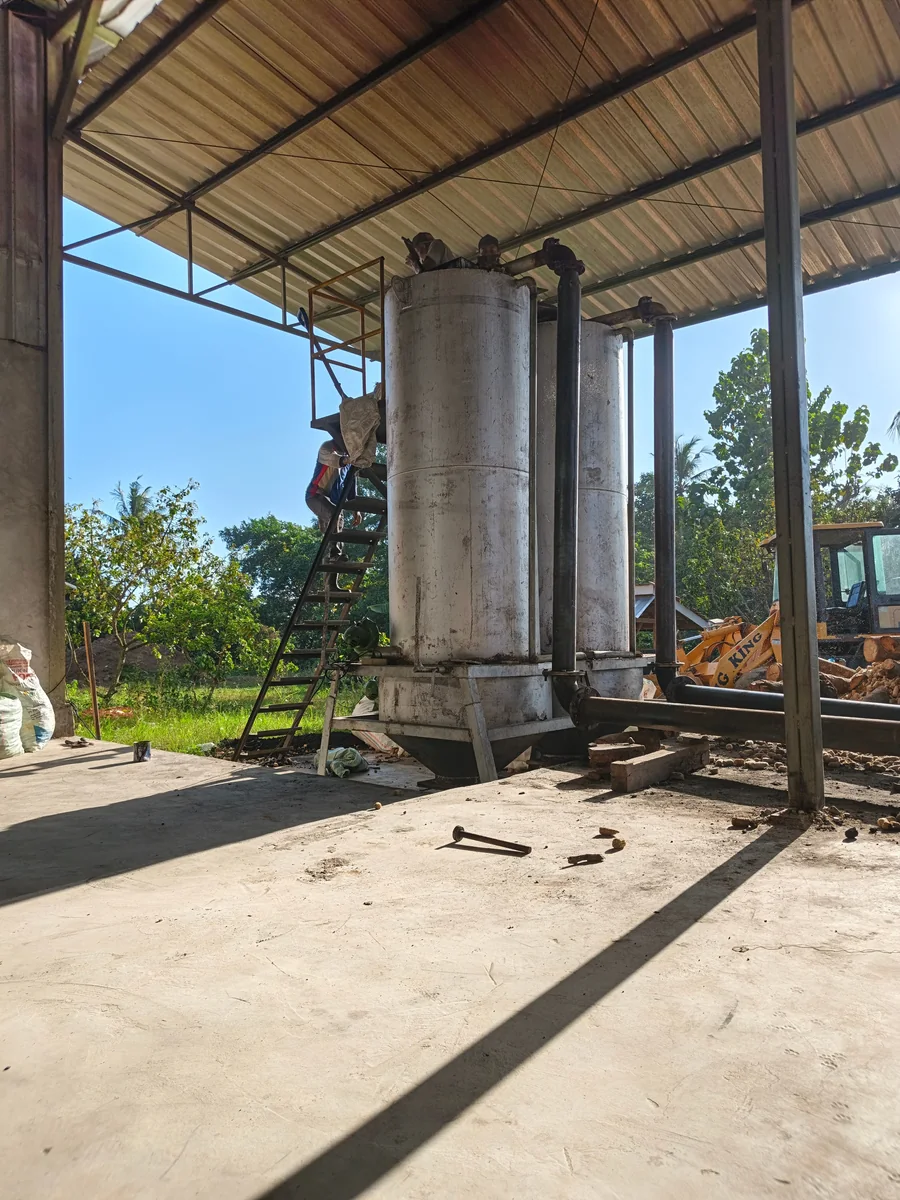
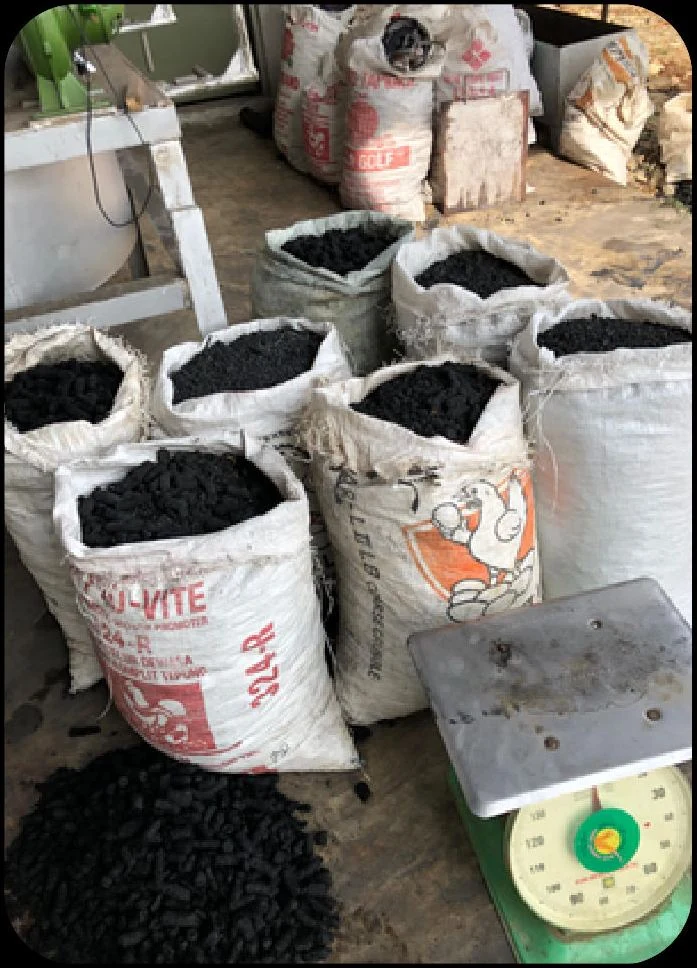
A modular process connects physical production with the records needed for product sales and carbon assessment.
Record incoming mass and moisture. Dry the feedstock using recovered process heat where available.
Heat biomass in a low-oxygen reactor. Track temperature and residence time for each production lot.
Weigh the char. Test lab samples and match the resulting grade to the intended buyer application.
Reconcile production records and lab evidence. Prepare documentation for independent carbon assessment.
Unit 01 design envelopeCompany planning inputs
The digital product
ENVIID is developing a Claude-assisted workflow for measurement, reporting and verification (MRV). It helps operators prepare records for human review.
Compare telemetry and lab data. Flag missing fields, moisture changes and records that need attention.
Use Claude to turn structured records into a draft Project Design Document (PDD), with references to the underlying evidence.
Operators approve the report. Independent assessors determine certification and credit eligibility.
Product status: workflow prototype. Planned integration uses the first-party Claude API. The interactive example runs locally.
Choose an example to see the review workflow.
Select a lot, then run the review.
Illustrative data. This demo does not call Claude, connect to live sensors or issue carbon certificates.
Adjust the assumptions to see how throughput and selling prices change the annual scenario.
Illustrative model: 27.2% char yield, 0.686 potential removal units per dry feedstock tonne, annual operating costs of $35,000 + $8.50/t, and $20,000 debt service. Credit issuance and prices are assumptions.
Annual scenario
Scenario output, not an investment forecast or verified carbon issuance.
Physical biochar sales and potential carbon removal credits serve different buyers. Each needs its own quality and commercial checks.
Develop offtake around tested grades, customer requirements, delivery costs and agreed pricing.
Build the project evidence for an applicable registry methodology. Certification and issuance remain separate from the AI workflow.
Confirm offtake, seasonal feedstock quality, operating costs and the registry pathway before scaling to additional units.
Plant operations, business development, carbon-market advice and the systems that connect them.
CEO & Project Lead
University of Lampung. Leads pilot operations and project partnerships.
Business Strategy & Development
University of Melbourne. Focuses on offtake, sustainability and commercial development.
Strategic & Financial Advisor
Bocconi University. Advises on project finance and the carbon-market strategy.
Secretary & ESG Operations
University of Lampung. Coordinates project records and ESG documentation.
Embedded Systems & IoT Telemetry
Diponegoro University. Develops sensing and the telemetry workflow for MRV.
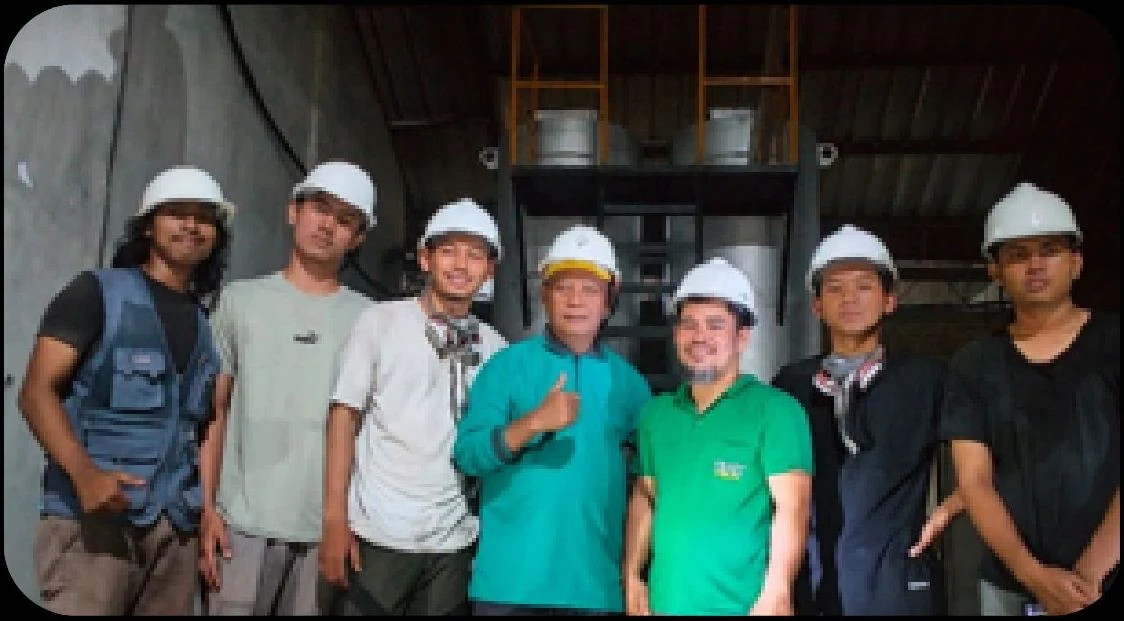
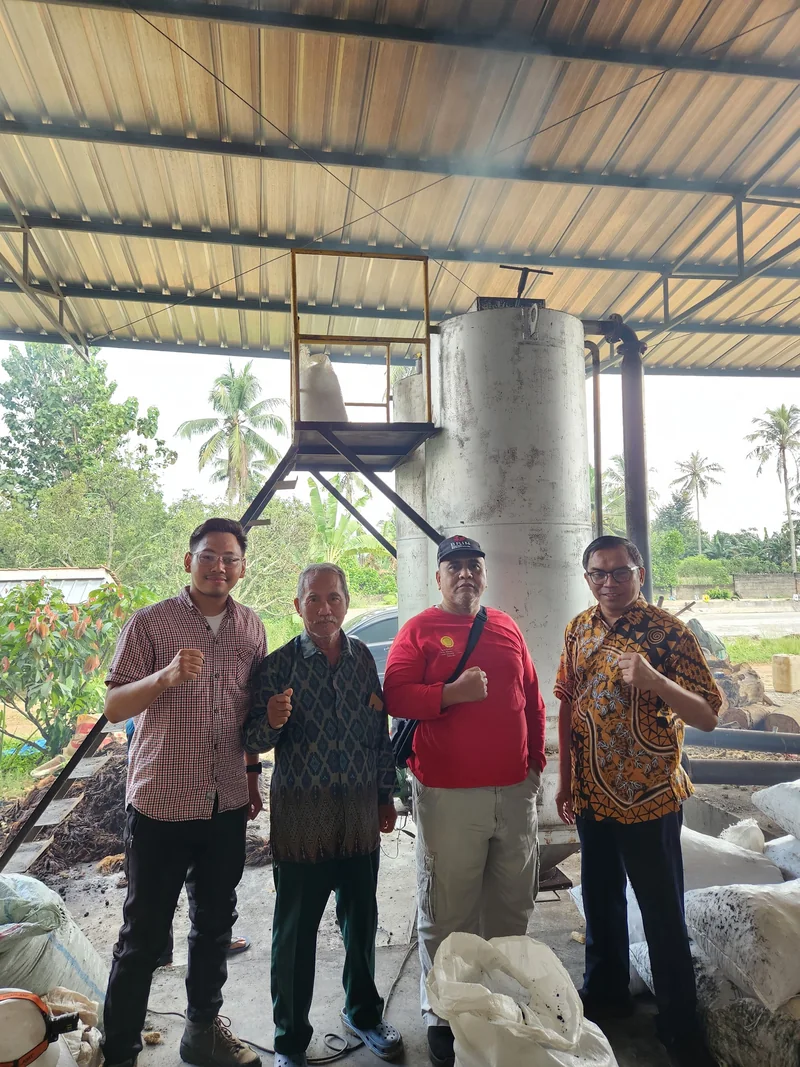
The company roadmap separates operating experience from planned deployment milestones.
2023-2025
Develop feedstock-handling experience, project partnerships and the production concept.
2026 / planned
Commission the modular unit, validate batch records and connect the Claude-assisted reporting workflow.
2027 / planned
Evaluate additional units after operating data, offtake and the carbon pathway support expansion.
The planned backend uses the first-party Claude API to review structured batch records, flag evidence gaps and draft PDD sections. Operators approve the output. The browser demo illustrates the workflow without making an API call.
No. The AI supports documentation and review. Lab testing, an applicable methodology and independent assessment determine the carbon claim and any credit issuance.
Biomass operators, biochar offtakers and carbon-project teams that need traceable production and reporting records.
Request the pitch deck, financial assumptions and project documentation outline through the data room enquiry. The public calculator is an illustrative scenario.
The project focuses on Central Lampung, Indonesia, with engineering and development work in Bekasi and Jakarta.
Start a conversation
For project partnerships, biochar offtake, site visits and product discussions.
[email protected] ↗General enquiries: [email protected]
Biochar infrastructure. Evidence for every lot.